Safe, Certified House Rewires in York

Planned with you, tested and Part P certified

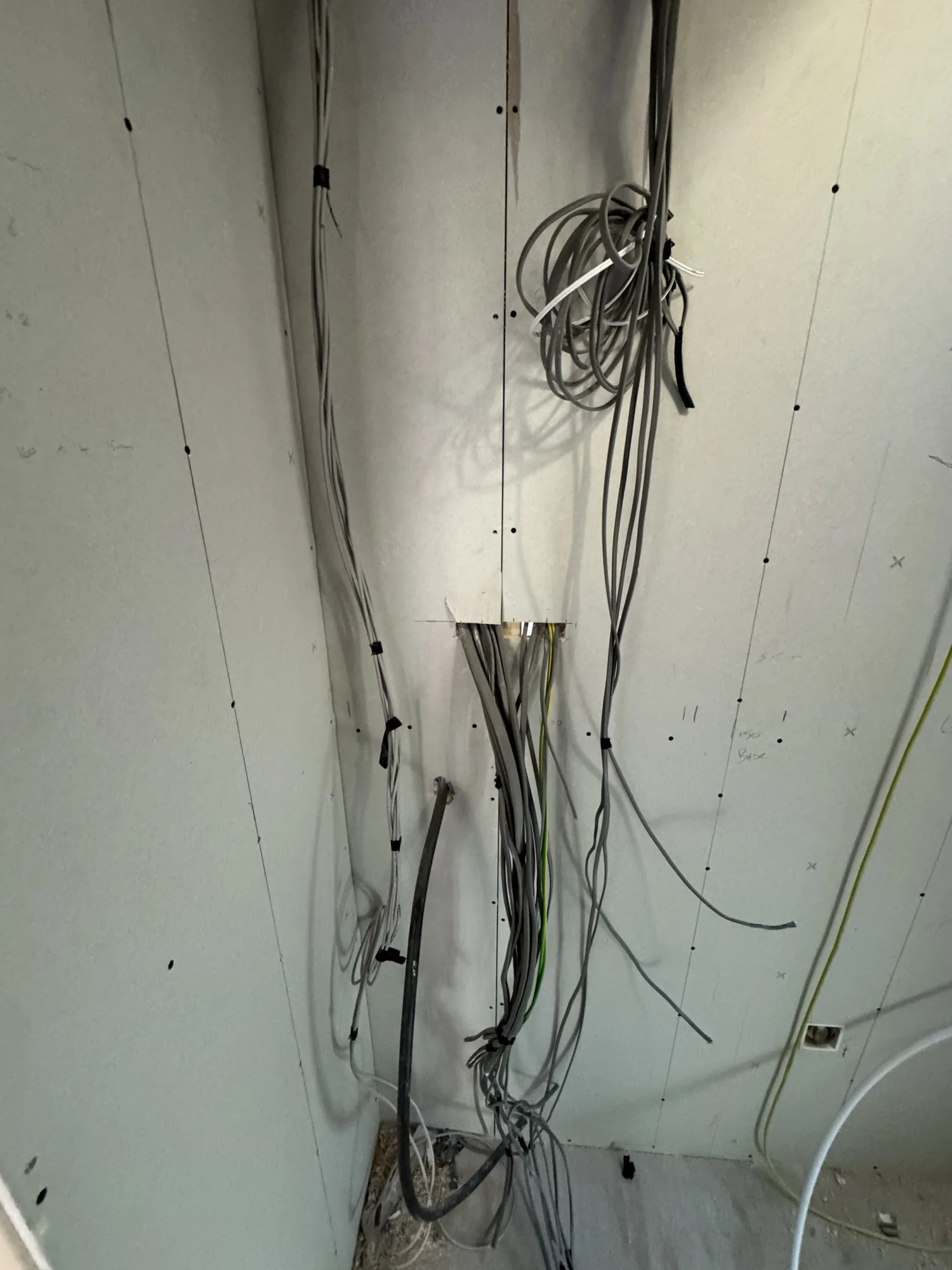
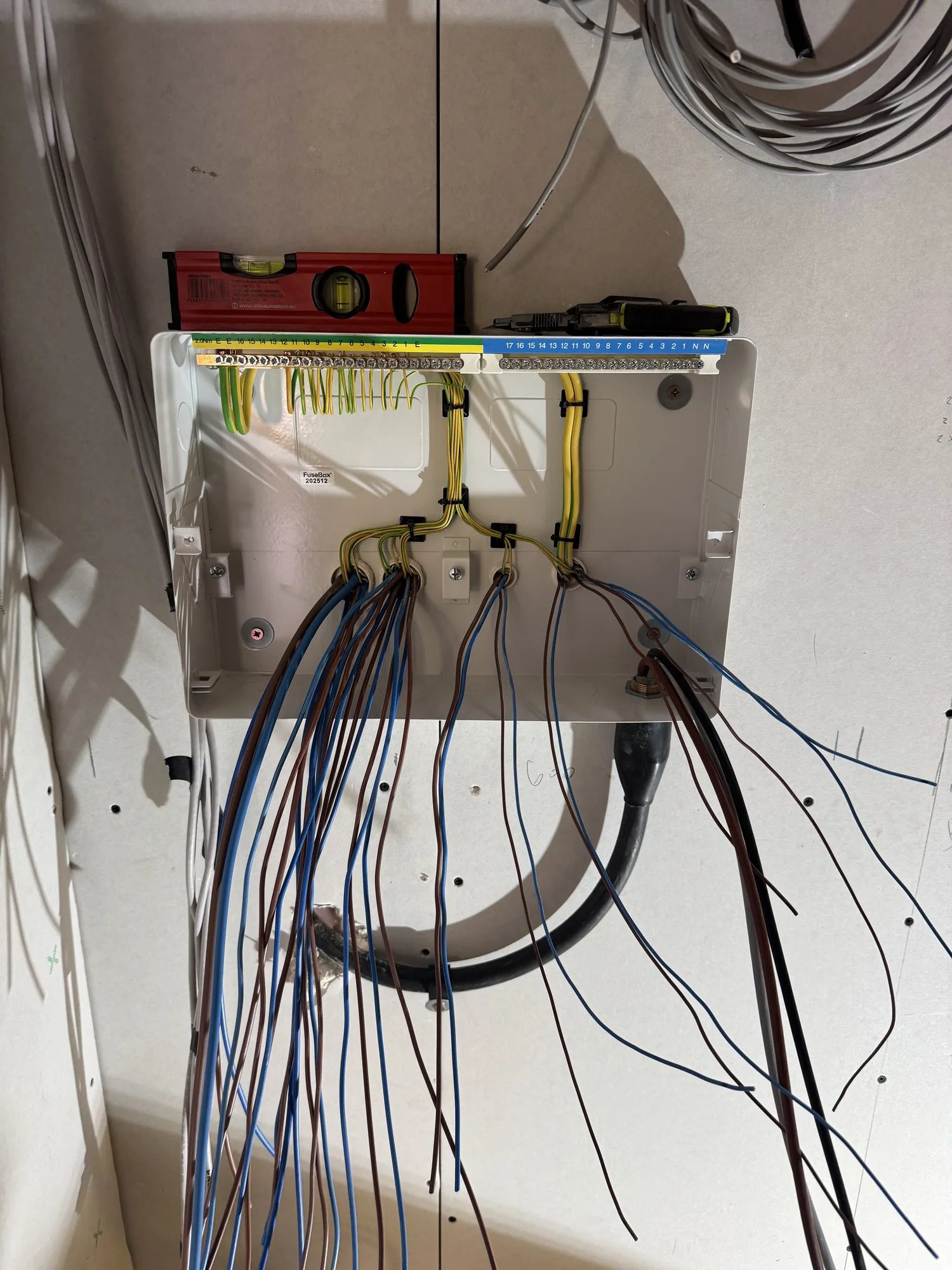
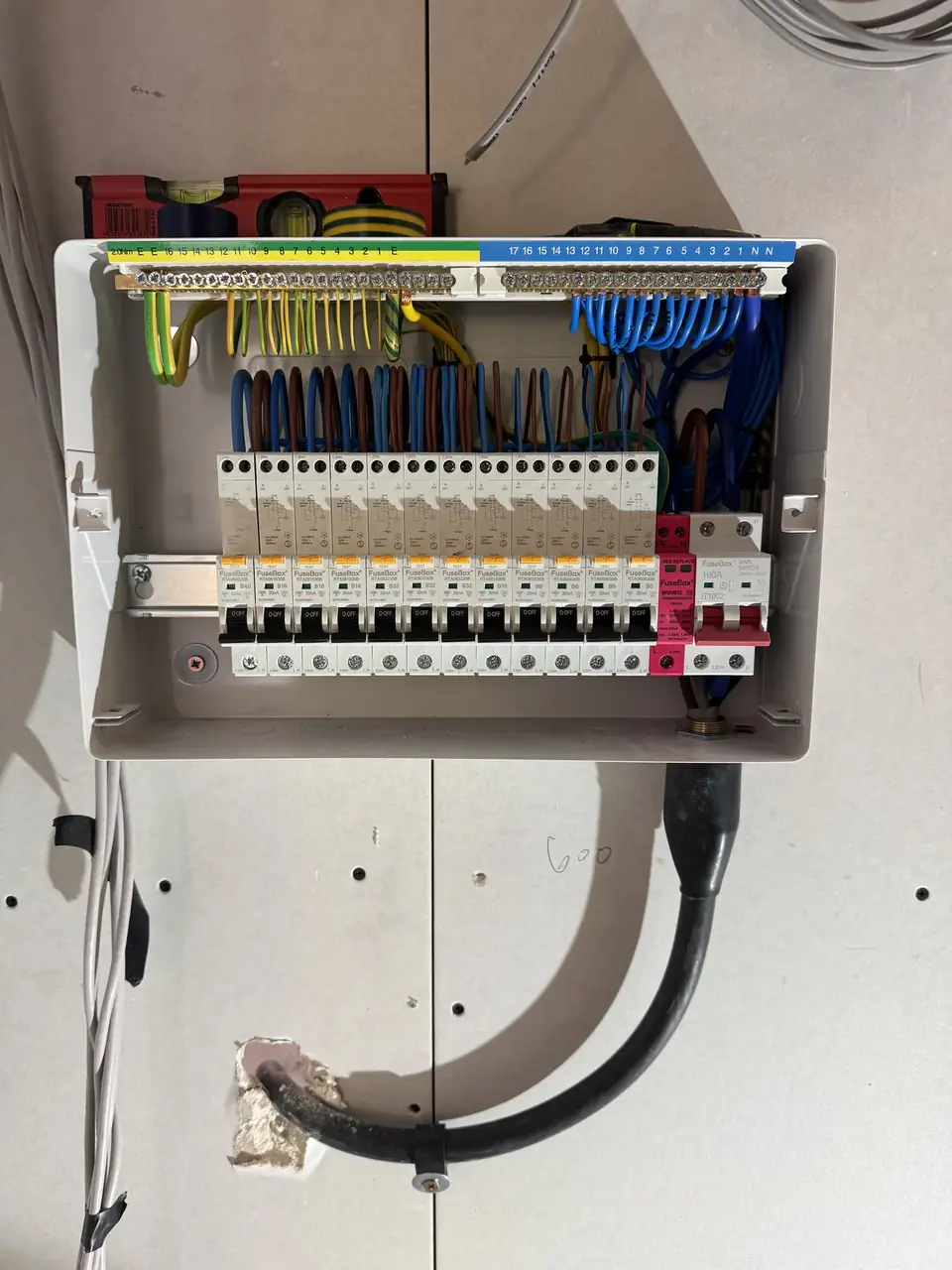
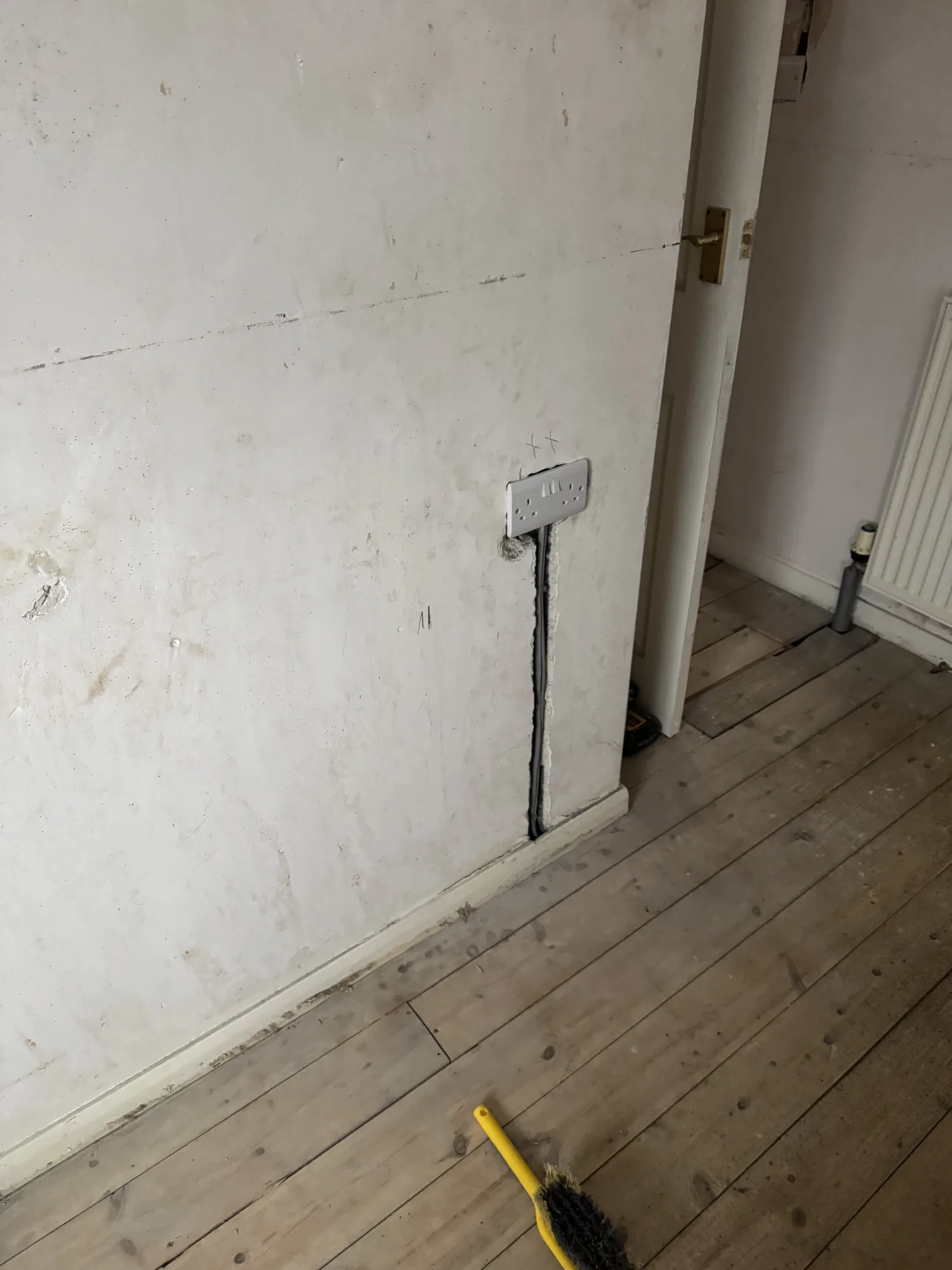
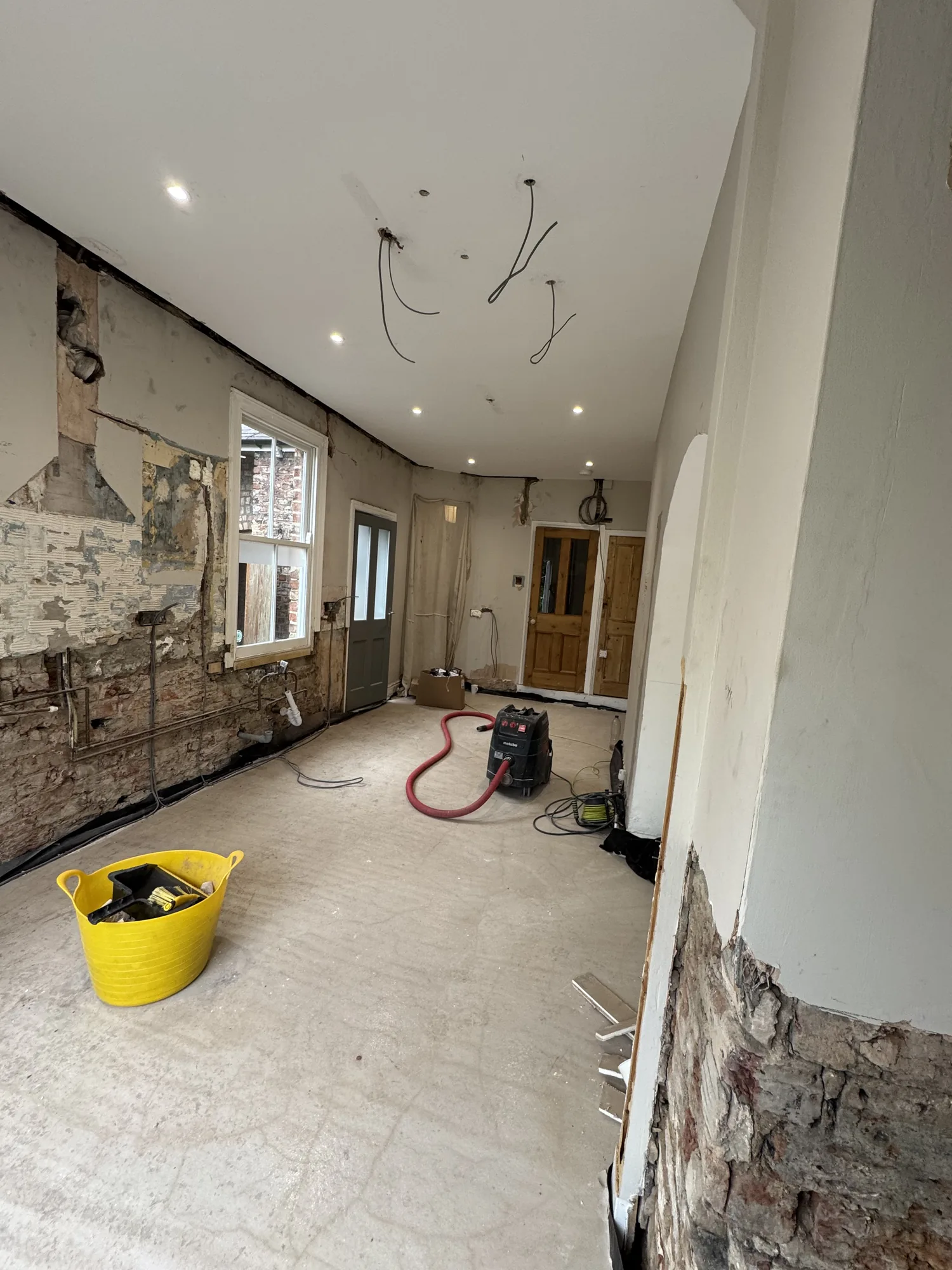
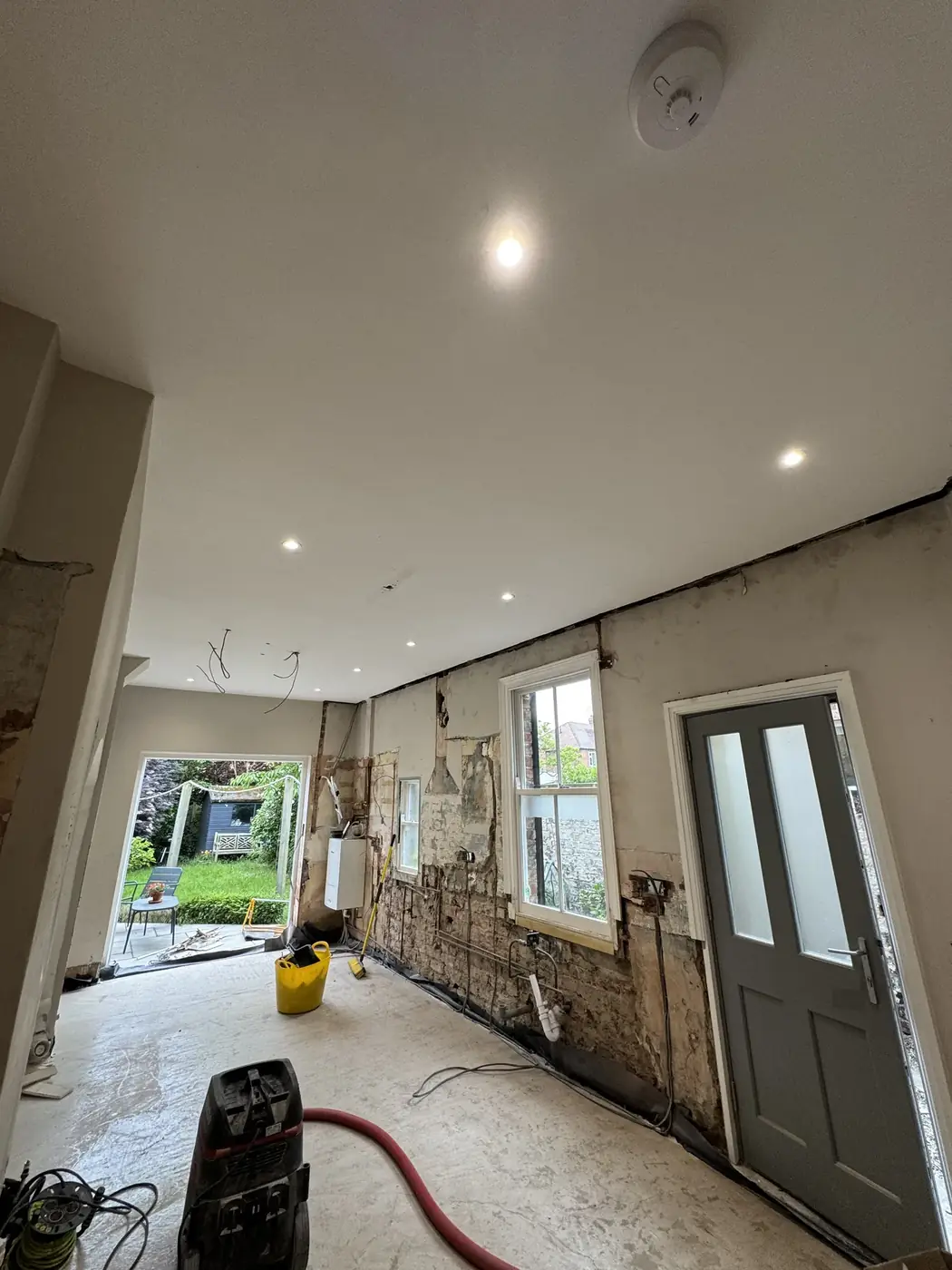
House Rewiring in York

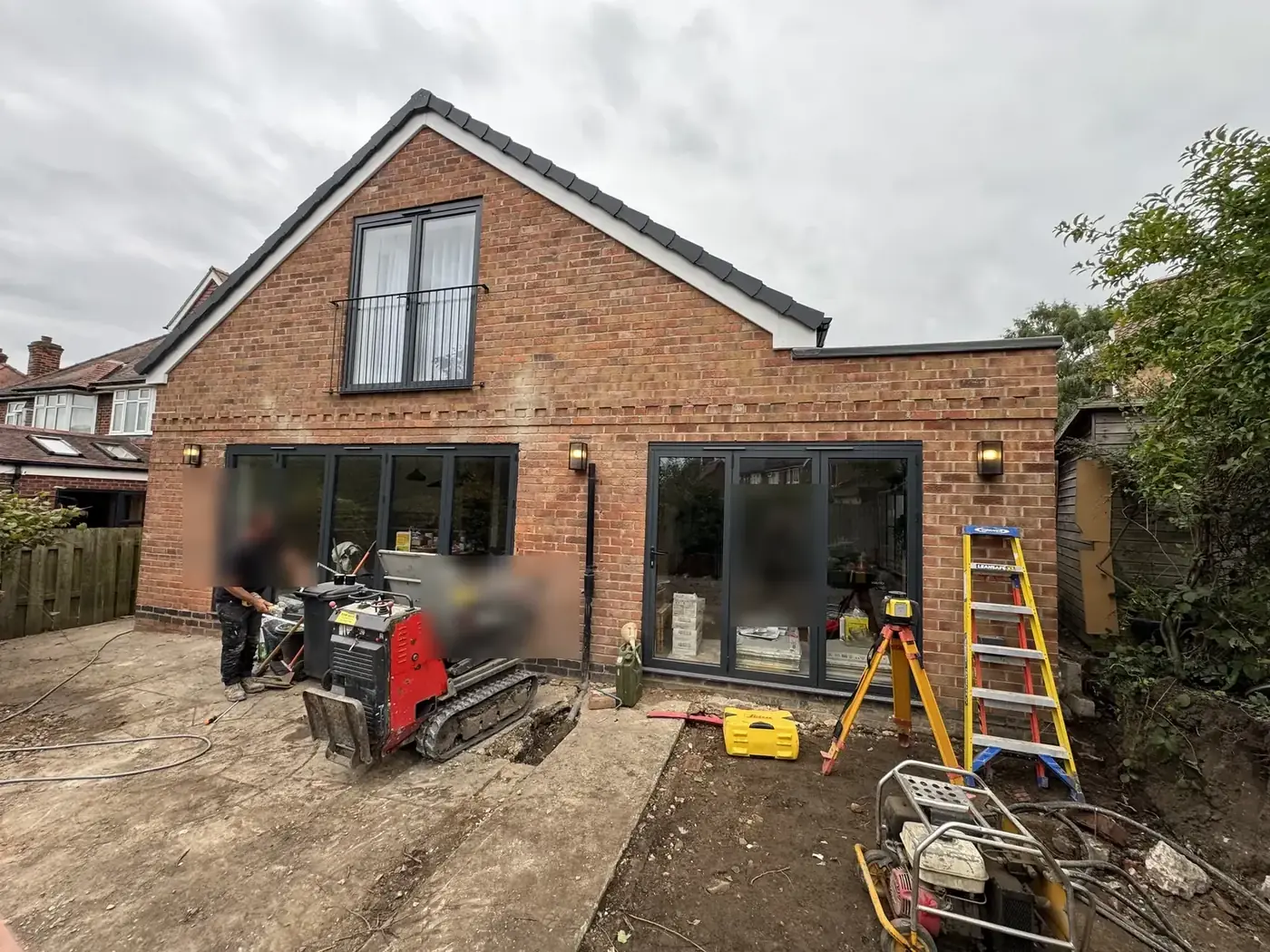
A full house rewire with Yorkshire Electrical and Renewables typically costs £4,000 to £7,000, depending on the size of the property, the number of sockets, lights and circuits, and any extras such as EV charging or garden power. It finishes with full electrical certification and a Part P compliance certificate.

Older wiring wears out. Rubber and early PVC insulation degrade, circuits get overloaded as households add more appliances, and past alterations are not always done well. A rewire gives your home a safe, modern electrical system built around the way you live now.

Henry plans every rewire with you first: where you want sockets, how you want your lighting, and anything you might add later such as an EV charger, garden power or an extension. That way the new system is ready for the future, not just today.

Henry books the work on consecutive days wherever possible so the job gets done efficiently. If you are staying in the property, the supply is made safe at the end of each day and the house is left usable and liveable.

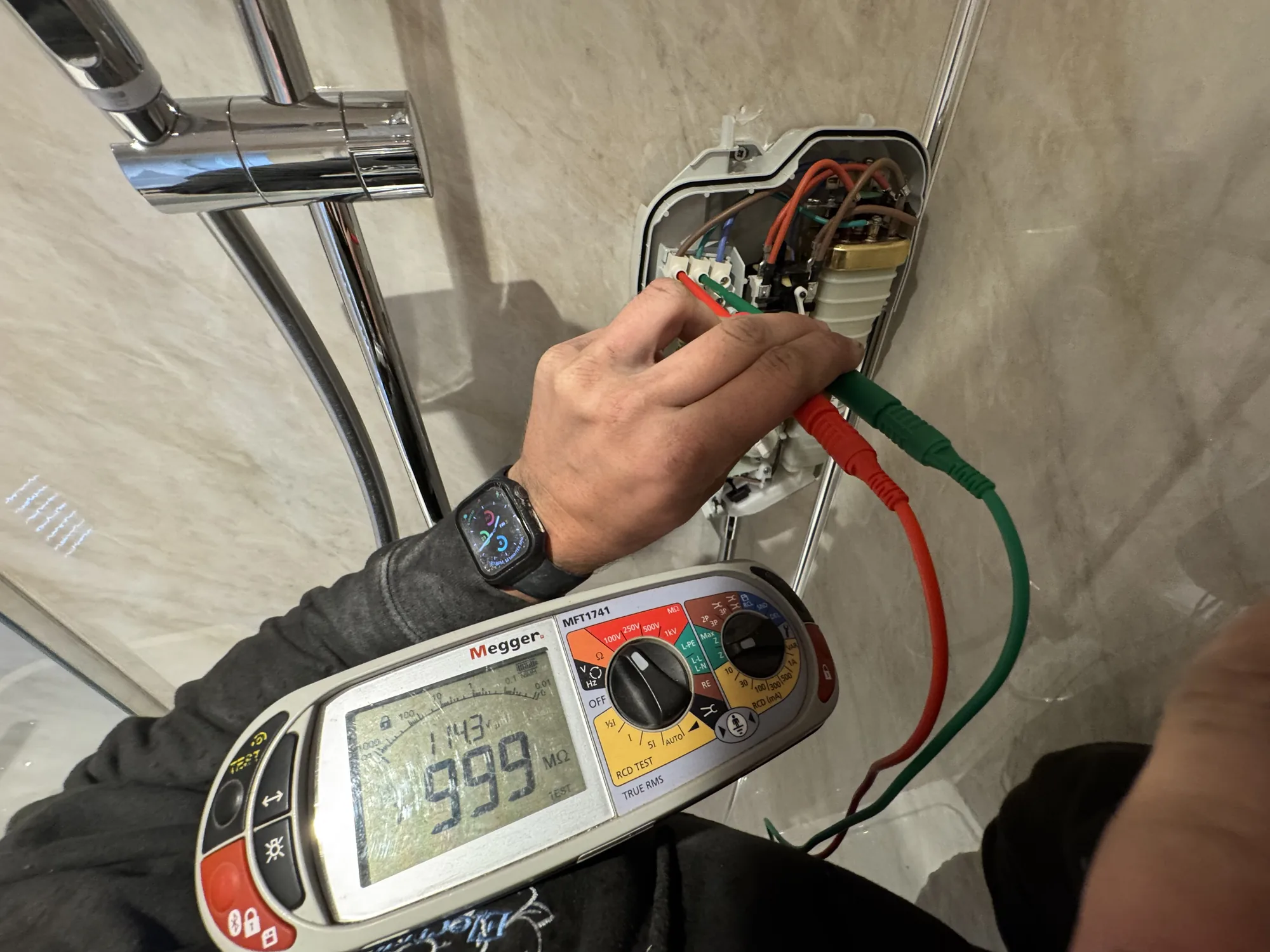
Rewiring is notifiable work under Part P of the Building Regulations. When the job is complete the installation is fully inspected and tested, and you receive your electrical certificate and a Part P compliance certificate.

PRICE GUIDE £4,000 – £7,000
Includes Full rewire
Certification Part P
BOOKING Site survey first
Free quotes Yes
Coverage York & North Yorkshire

Frequently Asked Questions

Rewire Questions

What areas do you cover?

Henry covers York and the surrounding area. In York that includes Acomb, Bootham, Clifton, Clifton Without, Dringhouses, Fishergate, Fulford, Heslington, Heworth, Holgate, Huntington, Earswick, New Earswick, Osbaldwick, Rawcliffe, South Bank and Woodthorpe. Further out, he covers Haxby, Wigginton, Strensall, Shipton, Rufforth, Stockton on the Forest, Sheriff Hutton, Stamford Bridge, Kexby, Sutton upon Derwent, Pocklington, Market Weighton, Escrick, Riccall, Cawood, Tollerton, Newton-on-Ouse, Aldwark, Ouseburn, Easingwold, Boroughbridge, Knaresborough, Ripon, Thirsk, Hovingham, Malton, Pickering, Helmsley and Kirkbymoorside. If you are not sure whether you are covered, call 07495 813843 and ask.

Are you NAPIT registered?

Yes. Yorkshire Electrical and Renewables is NAPIT registered. All work is tested and certified to current regulations, and notifiable work such as rewires and consumer unit changes comes with the correct Building Regulations paperwork.

Who will carry out the work?

Henry Thomas, the owner, carries out the work himself. He is the person you speak to on the phone and the person who turns up, so you always know who is in your home.

What are your working hours?

Standard hours are Monday to Saturday, 08:00 to 18:00. If you have an electrical emergency outside those hours, call 07495 813843 and Henry will do his best to help.

Do you offer free quotes?

Yes. Quotes are free and there is no obligation. For larger jobs such as rewires and consumer unit upgrades, Henry will visit, look at the job and give you a clear price.

Do you work on commercial properties?

Yes. As well as homes, Henry works for landlords, letting agents, holiday let owners and small businesses, including EICRs, fault finding and new circuits.

Do you guarantee your work?

Yes. All of Henry's workmanship is guaranteed for 12 months from the date the job is completed. If a fault caused by his workmanship appears in that time, he will come back and put it right free of charge. Equipment Henry supplies, such as EV chargers and consumer units, is also covered by the manufacturer's own warranty.

How long will it take to charge my car using an EV charger?

A standard 7kW home charger will typically charge an electric vehicle fully in four to eight hours. The exact time depends on your car's battery size and how much charge is left when you plug in.

Do I need planning permission to install an EV charger?

You will not usually need planning permission for a home EV charger. You may need to notify, or get approval from, your Distribution Network Operator. Henry manages this for you before installation so everything is safe and straightforward.

Can I get a specialist electric vehicle tariff?

Yes. Contact your electricity supplier and let them know you are having an EV charger installed. The chargers Henry recommends have app controls, so you can schedule charging for off-peak hours and make the most of an EV tariff.

How much does an EV charger installation cost?

Most home EV charger installations cost between £500 and £1,500 supplied and fitted. The price depends on the charger you choose, the distance from your consumer unit to the charger and whether any upgrades are needed. Henry will give you a clear price before any work starts.

Which EV charger do you recommend?

Henry recommends a short list of reliable smart chargers: Hypervolt, Zappi and BG Sync. He will talk you through the options, including tethered or untethered, app features and solar compatibility, and help you pick the right one for your car and budget.

Can my EV charger be installed on a post or away from the house?

Yes. Chargers can be fitted on an external wall, inside a garage or on a free-standing post in a driveway or garden, with the cable run neatly and safely. Henry will suggest the best position when he looks at the job.

How do I know if my consumer unit is outdated?

The best way to check your consumer unit and wider electrical system is an Electrical Installation Condition Report (EICR). It is a full inspection and test of your installation, and you get a detailed report explaining its condition and any improvements or remedial work needed.

What are RCBOs?

An RCBO combines a miniature circuit breaker (MCB) and a residual current device (RCD) in one. Each RCBO protects a single circuit, so if a fault occurs, only that circuit switches off rather than the whole house, which means far less disruption.

What is surge protection?

A surge protection device (SPD) helps protect the electrical equipment in your home or business from sudden spikes in the supply, which can be caused by lightning or changes in the network. It helps safeguard televisions, computers, games consoles, washing machines, kitchen appliances and EV chargers, and is fitted inside your consumer unit.

How much does a consumer unit upgrade cost?

Most consumer unit upgrades cost between £600 and £1,200. The final price depends on the size of the board, the number of circuits and how accessible it is. Contact Henry to arrange a free, no-obligation site visit and quote.

How long does a consumer unit change take?

Henry will tell you how long your consumer unit change will take when he quotes. The power will be off for part of the work, and Henry will let you know in advance so you can plan around it.

Will I get a certificate?

Yes. A consumer unit change is notifiable work, so once it is tested you receive an Electrical Installation Certificate and the work is notified under Part P of the Building Regulations.

How much does a house rewire cost?

Most full rewires cost between £4,000 and £7,000. The price depends on the size of the property, the number of sockets and lighting points, the number of circuits and any extras such as EV charging, specialist circuits, outdoor power or planned future expansion. Contact Henry to arrange a site survey and a personalised quote.

How long does a rewire take?

It depends on the size of the property and how much work is involved. Henry books consecutive working days wherever possible so the job is finished efficiently and with as little disruption as possible.

Do I need to move out during a rewire?

Not always. Staying in the property can add to the time and cost, because the supply needs to be safely reconnected each evening and the house left usable at the end of each day. Henry will talk through the best arrangement with you before work starts.

Do I need to notify Building Control for a rewire?

You will not need to do it yourself. A house rewire is notifiable electrical work under Part P of the Building Regulations, and as a NAPIT-registered electrician Henry notifies the work for you. Once the work is complete, the new installation is fully inspected and tested, and you receive your electrical certificate and a Part P Building Regulations compliance certificate.
How do I know if my house needs a rewire?

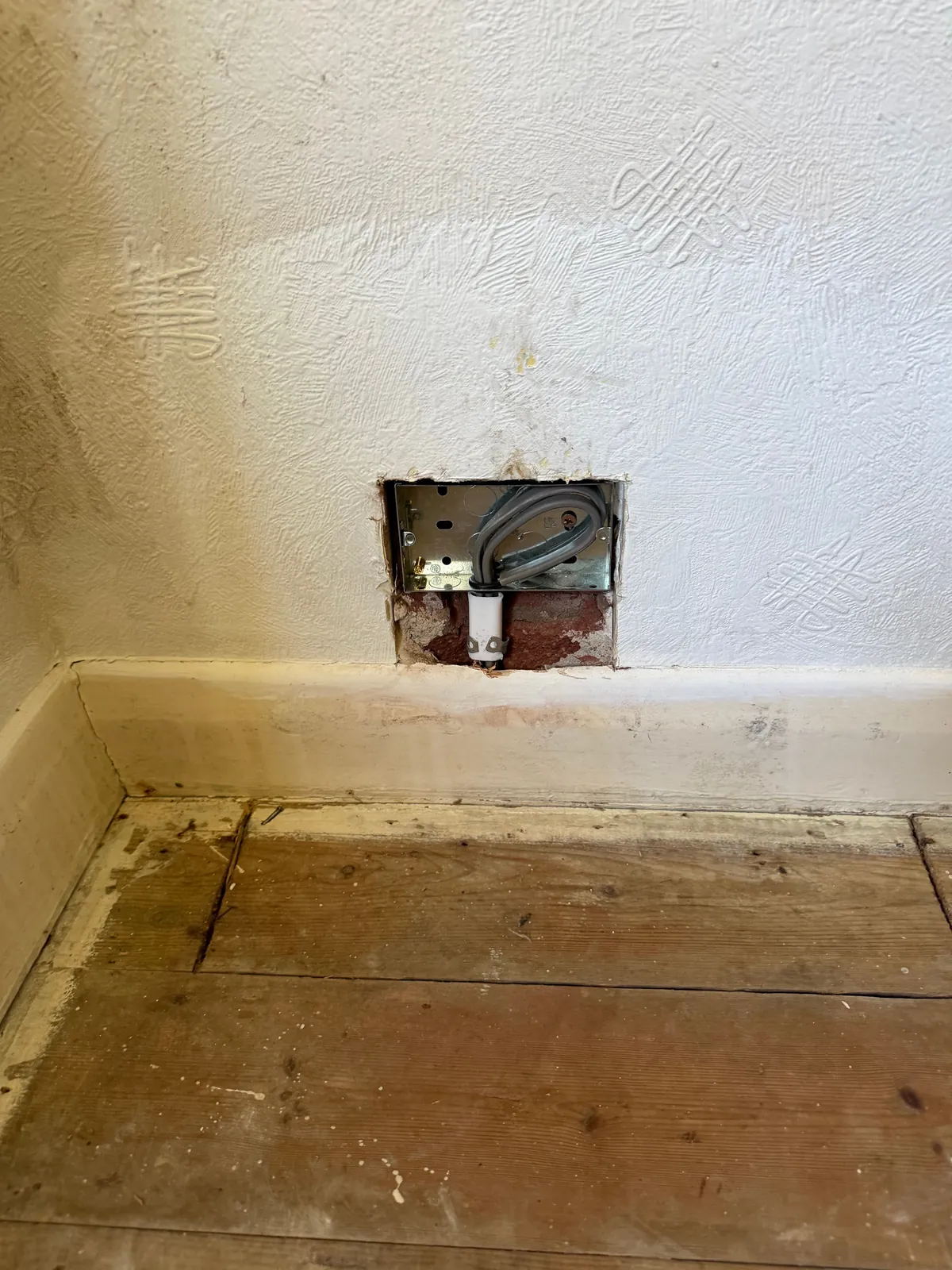
Warning signs include old rubber or fabric-covered cables, a dated fuse box, scorch marks on sockets, frequent tripping and not enough sockets for modern life. An EICR is the best way to find out for certain.

Will there be much mess?

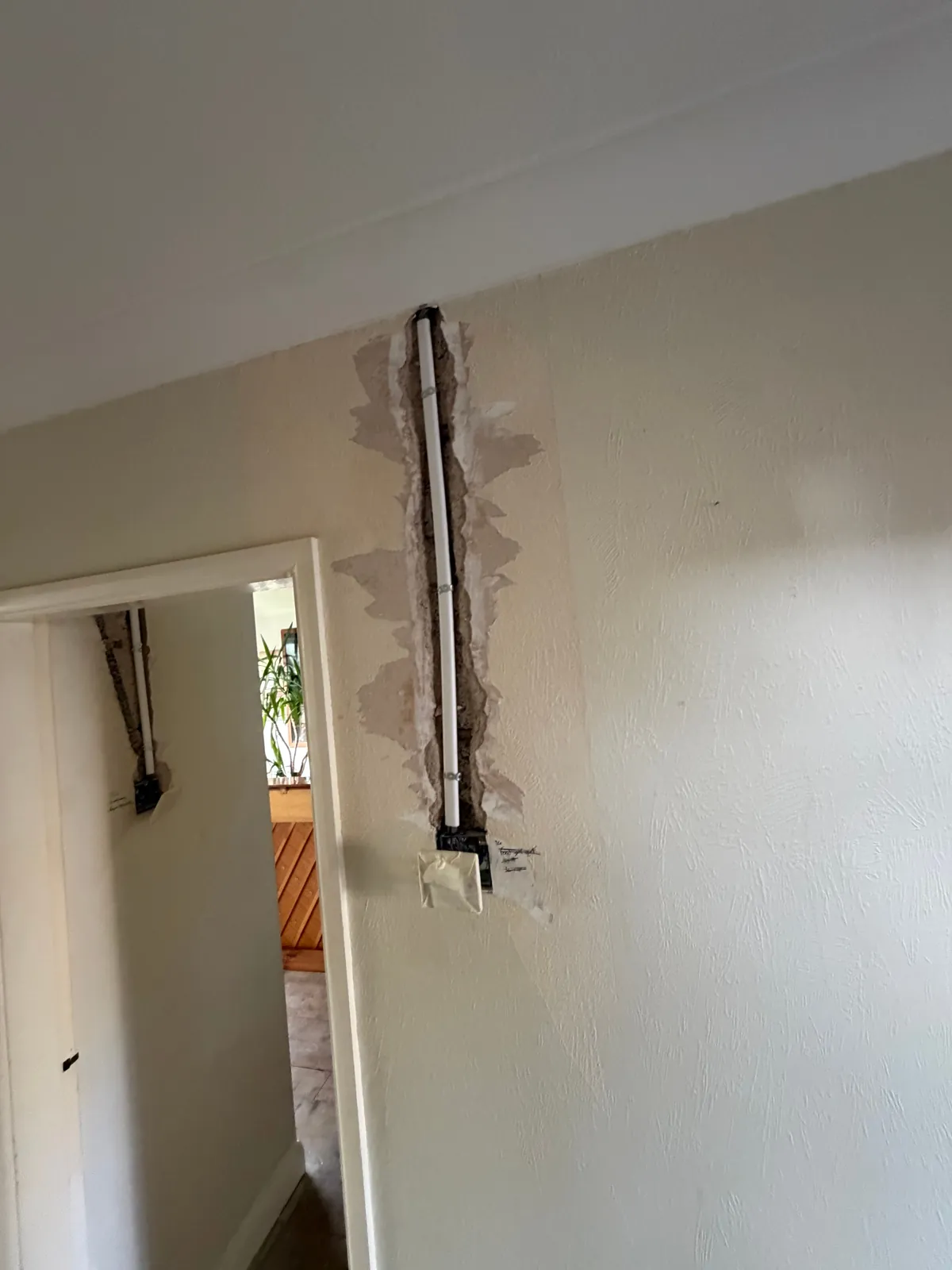
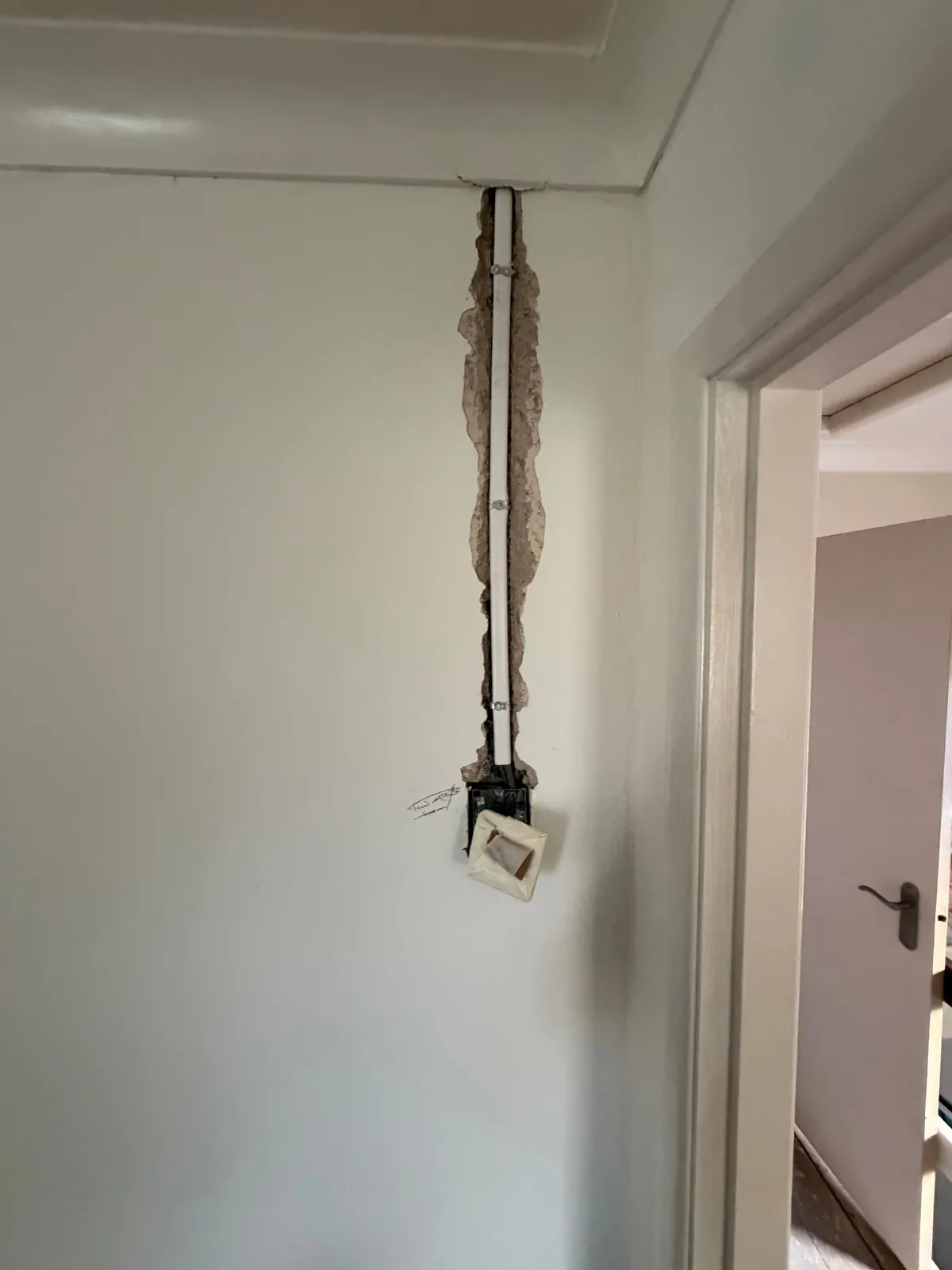
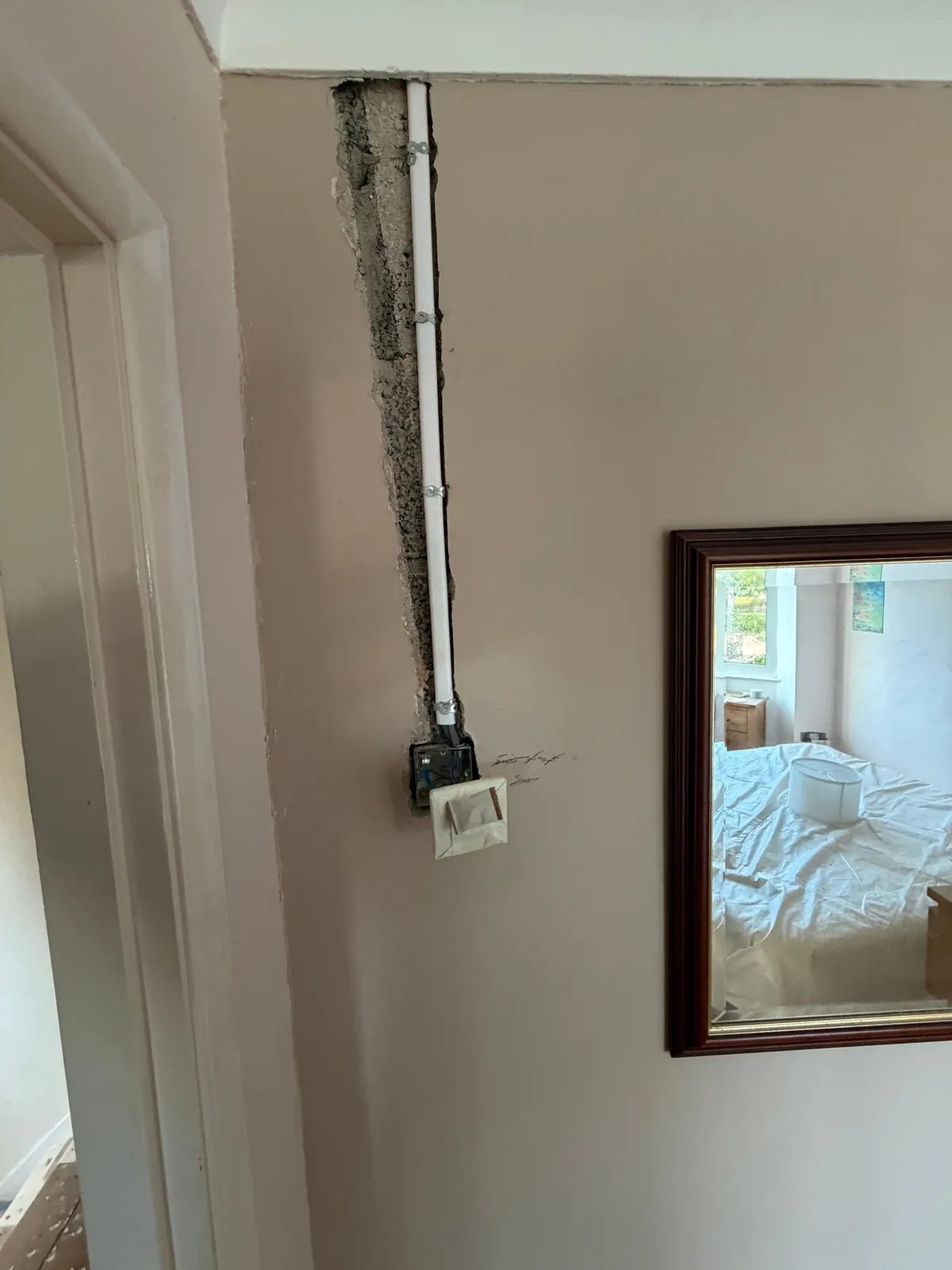
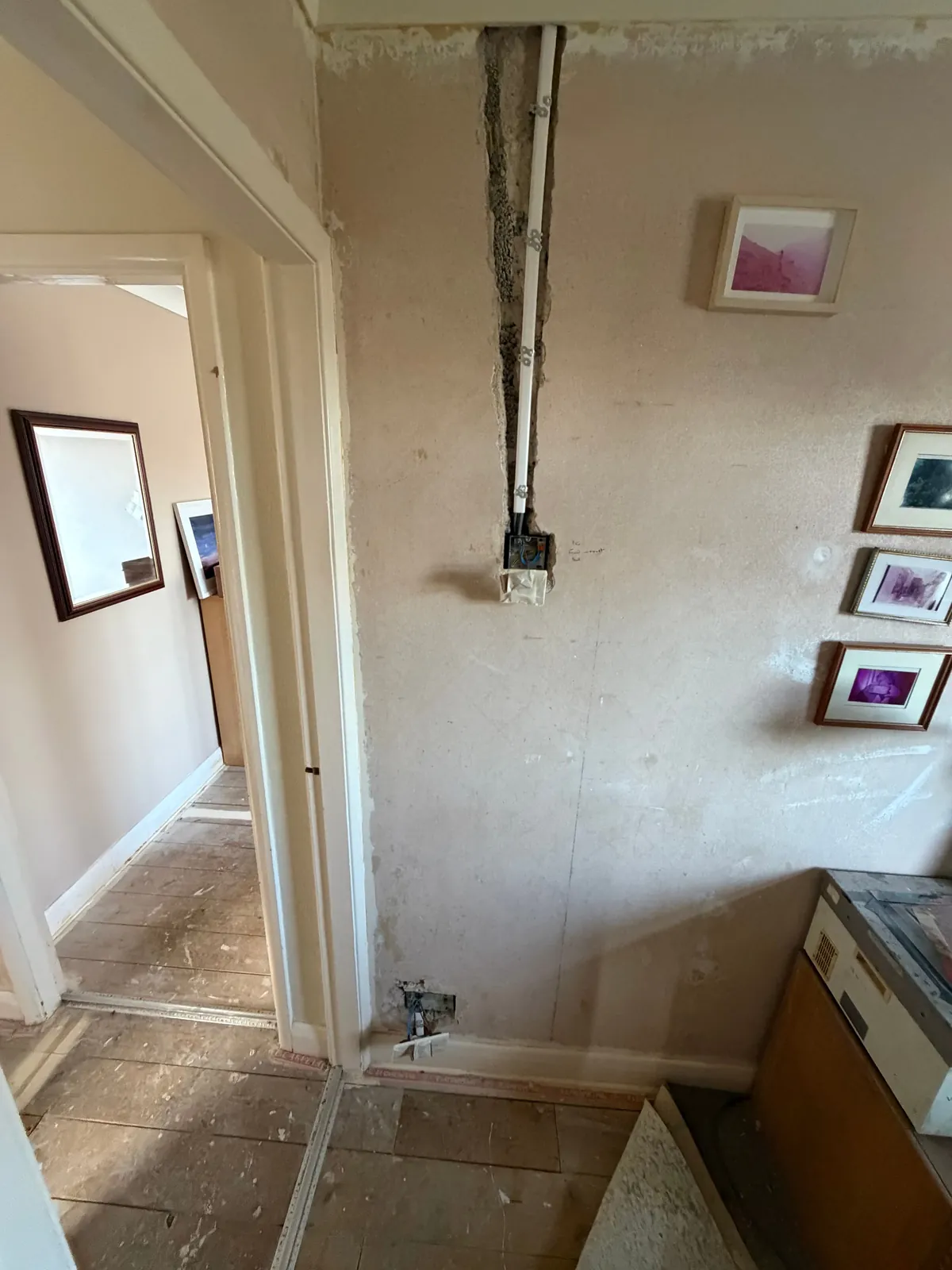
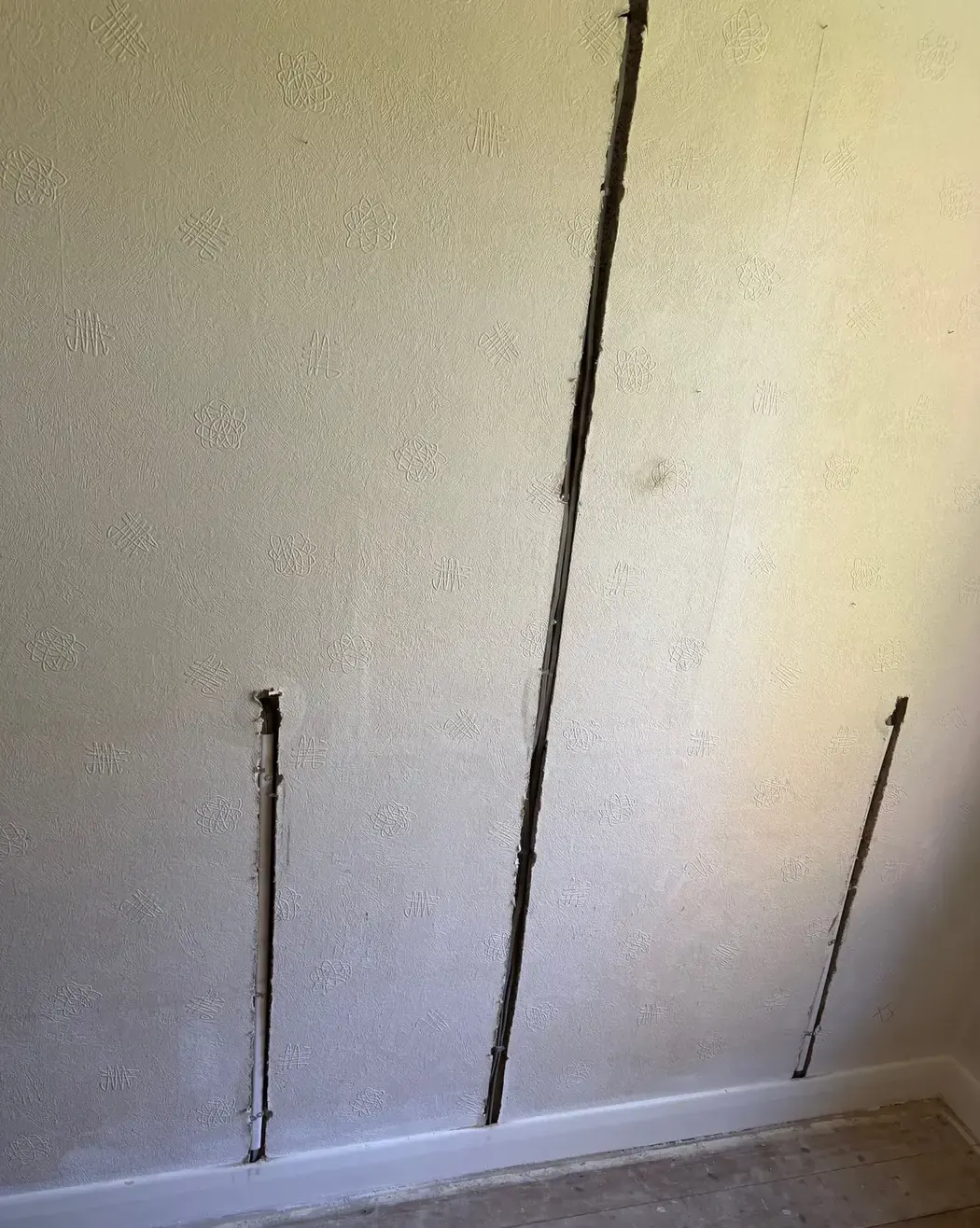
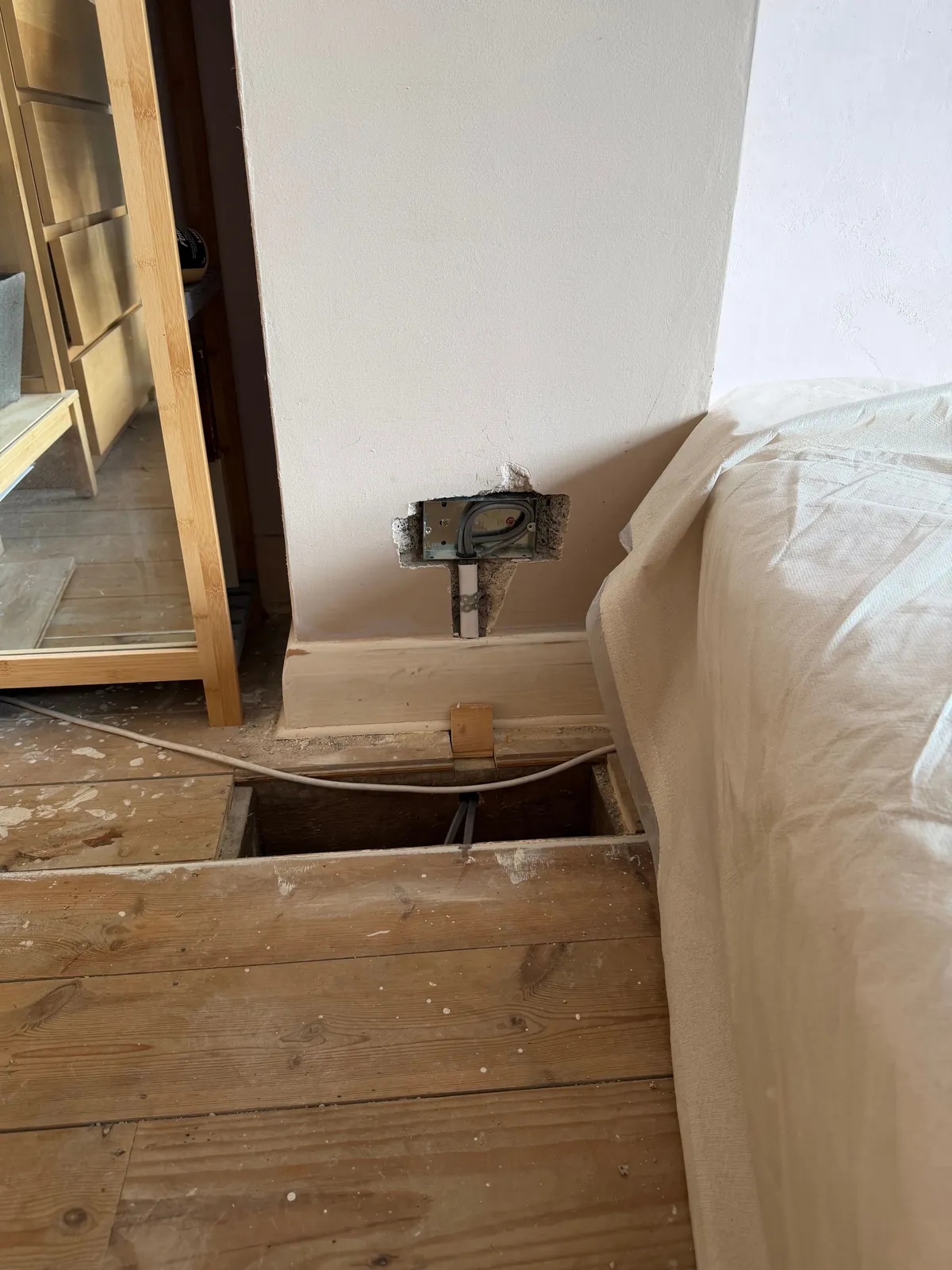
Rewiring does involve lifting floorboards and chasing cables into walls, but Henry will talk you through what to expect before work starts.

What is an EICR?

An Electrical Installation Condition Report (EICR) is a detailed inspection and assessment of the fixed electrical installation in a property. It checks the wiring, consumer unit, sockets and switches, lighting circuits, protective devices, earthing and bonding, and any permanently connected equipment.

Why is an EICR important?

Electrical installations deteriorate over time through age, wear and tear, damage, alterations and increased demand. An EICR finds problems such as damaged wiring, inadequate earthing, overloaded circuits or outdated equipment before they become serious safety risks, and gives you reassurance that your system is safe to keep using.

What do the different codes mean?

C1 means danger is present and urgent action is needed; the electrician may make it safe straight away, and the report will be unsatisfactory. C2 means potentially dangerous; urgent remedial work is required and the report will be unsatisfactory. C3 means improvement recommended; the installation is considered safe but does not meet the latest regulations, and it does not make the report unsatisfactory on its own. FI means further investigation is required; it should be done as soon as possible and makes the report unsatisfactory.

How much does an EICR cost?

EICRs start from £200. The final price depends on the size of the property and the number of circuits. Henry will confirm the price when you book.

How often do I need an EICR?

Landlords in England must have an EICR at least every five years. Homeowners are advised to have one every ten years, and when they buy a property. Holiday lets and commercial premises often need more frequent checks.

What happens if my EICR is unsatisfactory?

Henry will explain exactly what was found and why, and give you a clear price for the remedial work. Once it is done, you receive confirmation that the issues have been put right.